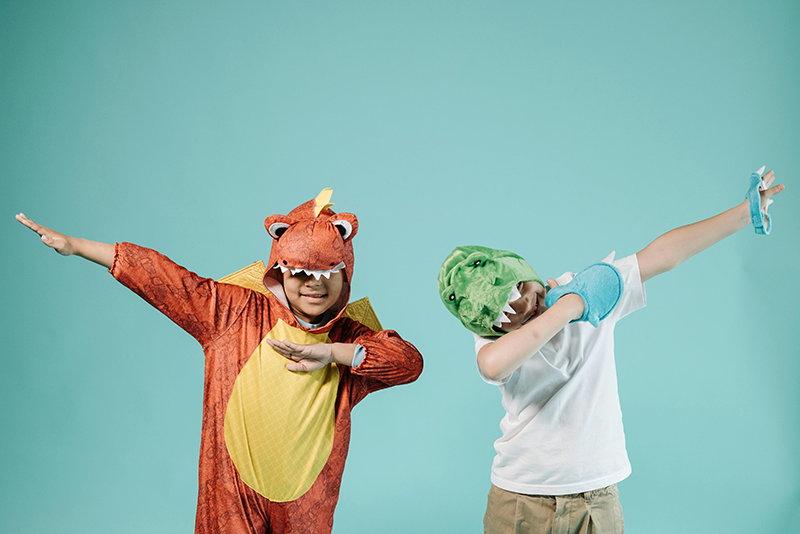
Play isn’t just fun. For children, it’s a scientific laboratory wrapped in imagination. When kids explore, pretend, solve problems, or negotiate with friends, they’re learning far more than it looks like on the surface. And crucially, what adults notice (or don’t notice) about that play tells us a lot about what’s happening in a child’s mind.
In fact, observation is just as important in understanding what’s happening in children’s play as it is in the kitchen. Just like we pay close attention to the little cues in a batch of raw chocolate (is it melting right? Does it smell as it should?), we need to observe the subtle moments in our children’s play to know what’s really going on in their little minds.
Why Play Matters
Play is not just an optional activity; it’s a core component of early learning. Frameworks, such as the Early Years Learning Framework (EYLF) in Australia, place play at the center of children’s development and learning in early childhood settings. These frameworks emphasize that children learn best through play as it encourages cognitive development, creativity, problem-solving, and social skills. (Australian Children’s Education & Care Quality Authority, ACECQA)
The Australian research community has also consistently shown that play is crucial for children’s development, with journals like the Australasian Journal of Early Childhood (AJEC) documenting play-based learning strategies in Australian early childhood education. Studies published in AJEC reveal how play fosters problem-solving skills, creativity, and social-emotional intelligence. The work of researchers in these fields underlines the importance of observation to capture the subtle moments where learning occurs during play. In other words, how we observe children playing is key to understanding how they learn.
Now, How Do I Understand Play ?
But observing isn’t just about watching in a passive way. It’s about looking closely, picking up on the little details. In fact, research shows that when educators use observation as a tool, they can better support kids’ learning. They can see what children are struggling with, what they’re excited about, and how they’re interacting with the world.
As parents, we can do the same thing. Instead of just watching kids play, we can notice what they’re choosing, how they’re engaging with others, and how they problem-solve. These observations tell us so much about their development.
The Same Applies in a Kitchen
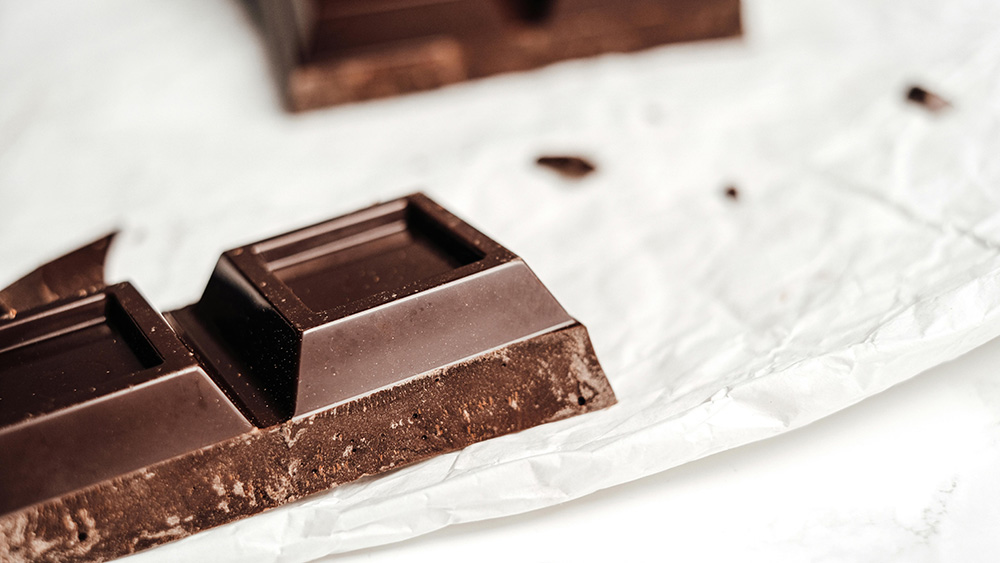
Now, let’s talk chocolate. When making raw chocolate at home, it’s not just about following the recipe. It’s about paying attention to the texture, the smell, and even the temperature. Is the cacao melting smoothly? Does it smell rich and sweet? When we notice the small things, we know whether the batch is perfect or needs some tweaking.
Just like in play, where the way a child builds or interacts with others tells us about their cognitive development, the way our chocolate mixture behaves teaches us whether we’re on track. The same principle applies: observation makes the difference between success and failure, whether it’s in learning or cooking.
What is the Key Message?
Play is one of the most important ways kids learn, and observation is key to understanding what they’re really gaining from it. Whether it’s noticing how a child plays or keeping an eye on your raw chocolate, observation turns what we see into what we understand. So next time you’re playing or cooking, take a moment to really notice what’s happening. You might be surprised by how much you can learn.